Attachment-based Therapy for Relationship Anxiety in Squamish, BC
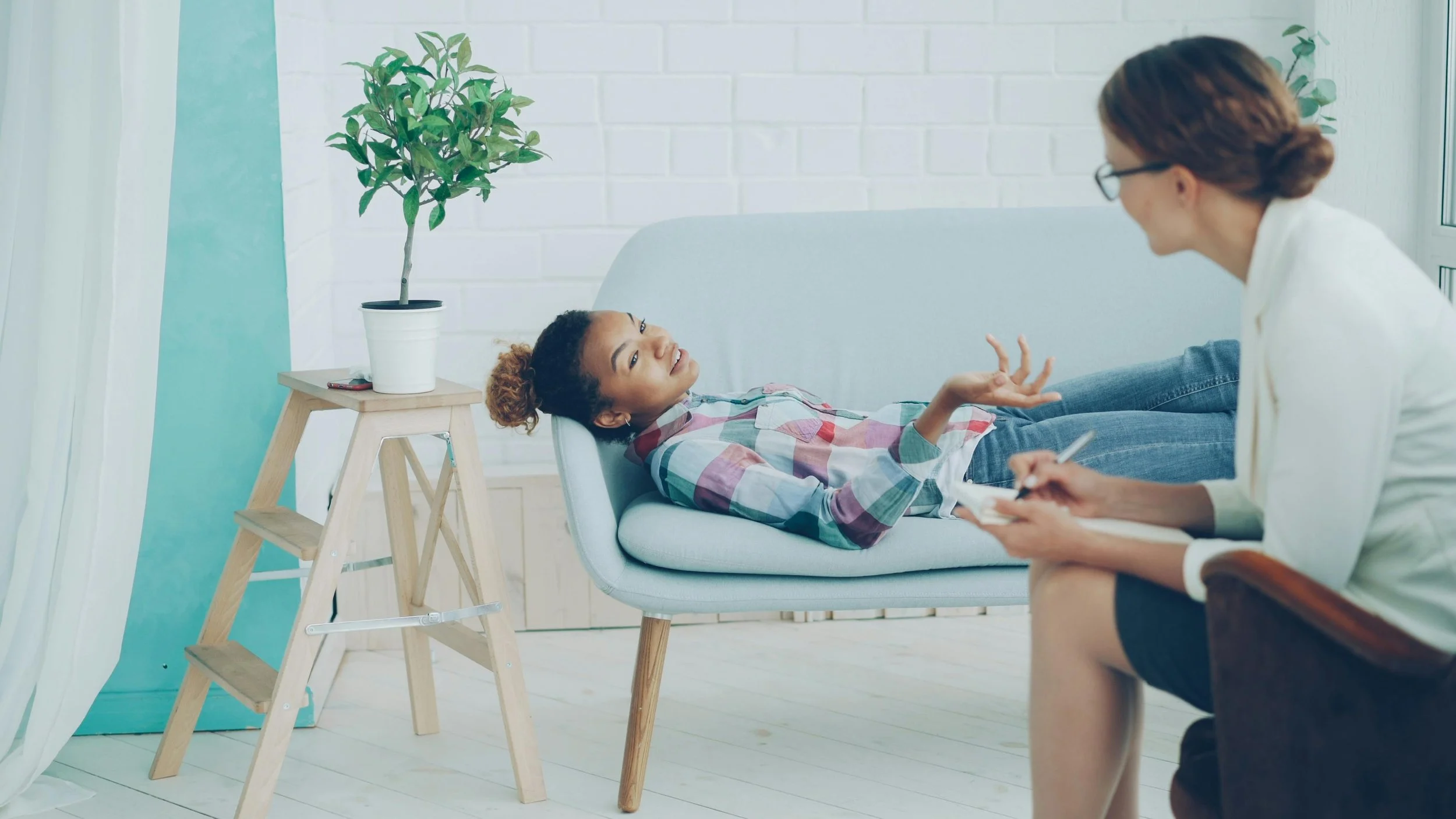
You love them, and you're terrified of losing them. Those two things live side by side, and most days the second one runs the show.
If the fear of losing your relationship has started to shape how you show up inside it, what you're describing is relationship anxiety, and attachment-based therapy is designed specifically for this pattern. My practice offers this work in Squamish, BC, both in person and online anywhere in British Columbia, in 50-minute private-pay sessions that can be submitted to benefit plans for reimbursement.
What relationship anxiety actually feels like day to day
If you've been rereading a text for the fourth time, pulling away first so you don't have to be left, or asking if everything is okay when nothing has actually happened, you already know the loop. The worry lives underneath the relationship, quietly shaping how you show up inside it.
For many living in Squamish and British Columbia, the pattern is less about the current relationship and more about a nervous system that learned, a long time ago, that closeness can't always be trusted. The fear of losing someone starts to override the experience of being with them.
What tends to surface in a first session is the same handful of experiences. Needing constant reassurance and feeling embarrassed for needing it. Replaying small moments for hours, searching for evidence that something is wrong.
None of that makes you too much. Usually it means the part of you scanning for disconnection has been working overtime for a long time.
Why the fear of losing your partner doesn't respond to logic
You can know, logically, that your partner loves you and still feel the floor drop out when they go quiet. That gap between what you know and what you feel is where attachment-based therapy does its work.
Research consistently shows that the patterns formed with early caregivers shape how safe connection feels in adult relationships. Those patterns often flare up when a partner feels distant, when things start getting serious, or when love starts to feel like something you could actually lose.
Relationship anxiety tends to live in the body before it reaches words, which is why talking yourself out of it rarely sticks.
How attachment-based therapy addresses the root
In session, we slow down what usually happens fast. Together we trace the anxiety back to where it learned to live and work with the younger part of you that's still bracing for abandonment.
Inner child work and reparenting give that younger part something it may not have had the first time around. Emotion-Focused Therapy sits alongside this, helping you listen to what the fear is communicating rather than trying to silence it. Somatic awareness adds a third layer, since the body often holds the anxiety before the mind catches up.
Relationship anxiety rarely shows up in isolation, which is why attachment work often sits inside a broader approach to Individual Relationship-Focused Therapy that looks at the patterns shaping how you show up with the people closest to you.
Working through this pattern asks a lot of the therapeutic relationship itself, so it matters that you're sitting across from a counsellor trained in Emotion-Focused Therapy and attachment theory rather than someone approaching these patterns from a purely cognitive angle.
What counselling looks like in Squamish
Sessions run 50 minutes, available in person in Squamish or online anywhere in BC. Most clients meet weekly or biweekly, depending on what you're working toward.
The first session is spent getting to know you. You and I talk about what brought you in, why now, and what you'd like to be different. From there, goals get built together, and you stay in charge of what feels most important in any given session.
Many clients start noticing shifts in the first month. Not the anxiety being gone, but the relationship to it changing. Less reactivity, more space, a bit more trust in yourself.
Frequently asked questions
Is what I'm feeling actually relationship anxiety, or is something wrong with my relationship?
It can be both, and part of the work is learning to tell the difference. Relationship anxiety tends to show up even when things are going well, or especially when things are going well. If the fear is loudest in moments of closeness, calm, or commitment, that's often a sign the pattern is coming from inside you rather than from the relationship itself.
Can attachment-based therapy help if I'm the one causing problems in my relationship?
Yes. What tends to surface in a first session is the recognition that you're pushing a partner away, withdrawing, or reacting in ways that don't match how you actually feel. Attachment work is useful here because it looks at why those protective patterns developed, which is usually the piece that willpower and insight alone can't shift.
Do I need my partner to come to therapy with me for this to work?
No. This is individual work. Changes in how you relate to yourself and your own attachment patterns tend to change the dynamic at home, even when your partner isn't part of the sessions.
A gentler next step
If the fear of losing a relationship has been sitting heavy for a while, it can help to book a free 15-minute consultation and talk through what's been going on before committing to anything further.