Counselling for Caregiver Stress in Adults in Squamish, BC
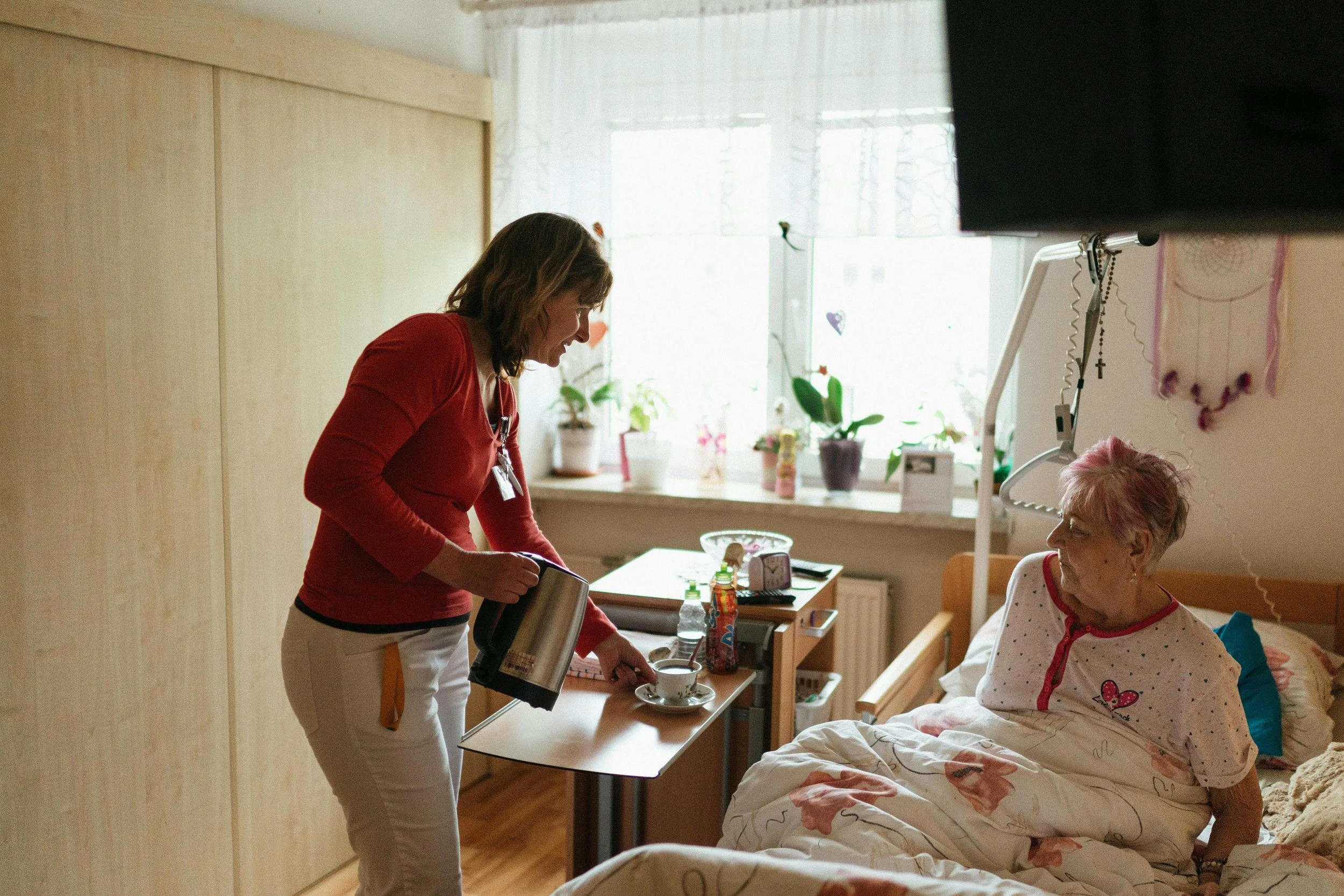
You're the one everyone leans on, and lately you're not sure who you'd lean on if you let yourself.
If the exhaustion of caring for someone you love has started to hollow out your own life, what you're carrying is caregiver stress, and counselling is built to hold exactly this. My practice offers this work in Squamish, BC, in person or online anywhere in British Columbia, in 50-minute private-pay sessions that can be submitted to benefit plans for reimbursement.
What caregiver stress actually feels like day to day
Caregiver stress doesn't usually arrive as a crisis. It shows up as a slow erosion that builds over months.
If you've stopped answering friends' texts because there's nothing new to say, cried in the car for no reason you can name, or snapped at the person you're caring for and then spent the rest of the day flooded with guilt, you already know the shape of it. Sleep gets thinner. Your own appointments get cancelled.
Small things start landing harder than they should. The question "how are you" becomes hard to answer, because you've stopped being a person with a life and started being a role.
The weight of caring for someone else while quietly losing yourself is a specific kind of grief, and it tends to move more honestly with a counsellor whose training includes work with caregivers and domestic loss than with someone who treats it as generic burnout.
Why the guilt makes it so hard to ask for help
You can probably list, in detail, all the reasons you shouldn't need support. Other people have it harder. The person you're caring for didn't choose this either. It's only temporary. You should be stronger.
That voice is part of what keeps the stress locked in place. It treats your needs as a distraction from the real problem, when your needs are part of what keeps the whole thing running.
Research consistently shows that unaddressed caregiver stress contributes to anxiety, depression, and physical health decline over time. Looking after yourself is the thing that lets you keep showing up.
How counselling addresses the weight underneath
In session, we slow down. Together we look at the exhaustion, the resentment, the anticipatory grief, the parts of your identity that have gone quiet, and the relationships that have shifted around the caregiving role.
Emotion-Focused Therapy helps you listen to what the anger, guilt, and sadness are actually trying to tell you. Attachment-based work looks at how the caregiving dynamic is shaping your sense of self. Somatic awareness adds a body-based layer, since caregiver stress often lives in tension, fatigue, and a nervous system that hasn't rested in months.
Caregiver stress rarely stays contained to the caregiving itself, which is why it's often worked through inside individual therapy for adults in Squamish, BC where the exhaustion, resentment, and guilt can be looked at alongside everything else that's been quietly building.
What counselling looks like in Squamish
Sessions run 50 minutes, available in person in Squamish or online anywhere in BC. Most clients meet weekly or biweekly, depending on capacity and what's happening at home.
The first session is spent getting to know you. Together we talk about who you're caring for, what the role is asking of you, and what you'd like to feel different. From there, goals get built collaboratively, and you stay in charge of what matters most in any given session.
Many clients start noticing shifts in the first month. Not a transformed life, but small honest things. A little more permission to rest, fewer silent resentments, a sense that your own inner life exists again.
Frequently asked questions
I don't even have time to take care of myself, how am I supposed to fit in therapy?
Starting with one 50-minute session every other week is usually realistic, even in the middle of demanding caregiving. Online sessions across BC remove the driving time, and the hour tends to become one of the few things in the week that belongs only to you. Most clients find that time spent in counselling quietly gives them back more time elsewhere, because fewer decisions are being made reactively.
Is it normal to feel resentful of the person I'm caring for, even when I love them?
Yes. Resentment doesn't mean you love them less, it means the situation is asking more of you than one person can sustainably give. Part of the work in counselling is making room for the resentment without letting it define the relationship, so you can keep caring without disappearing.
Should I wait until things calm down with my family member before starting?
No, and that's often the exact reason people delay support that would help them now. The caregiving situation may not calm down on its own, and the stress accumulates whether it's addressed or not. Starting counselling in the middle of it gives you something to lean on while things are still hard.
A gentler next step
If you've been running on empty for months and can't remember the last time someone asked how you were doing, it can help to reach out for a free 15-minute consultation and use the call itself as a small act of putting yourself back on the list.